If you have ever cried on a dance floor, or felt something loosen in your chest halfway through a song you did not know you needed, you already know what this is about. Long before anyone studied it, we knew dancing does something to us that sitting still cannot.
It is medicine.
This is not new. Cave paintings nine thousand years old show people dancing together, long before anyone called it therapy or wrote a study about it. For as long as we have any record of humans gathering at all, we have gathered to move to rhythm. Hunting rituals, harvests, grief, celebration, initiation, all of it held together by a community moving as one body. Dancing was never exercise. It was how a tribe stayed a tribe.
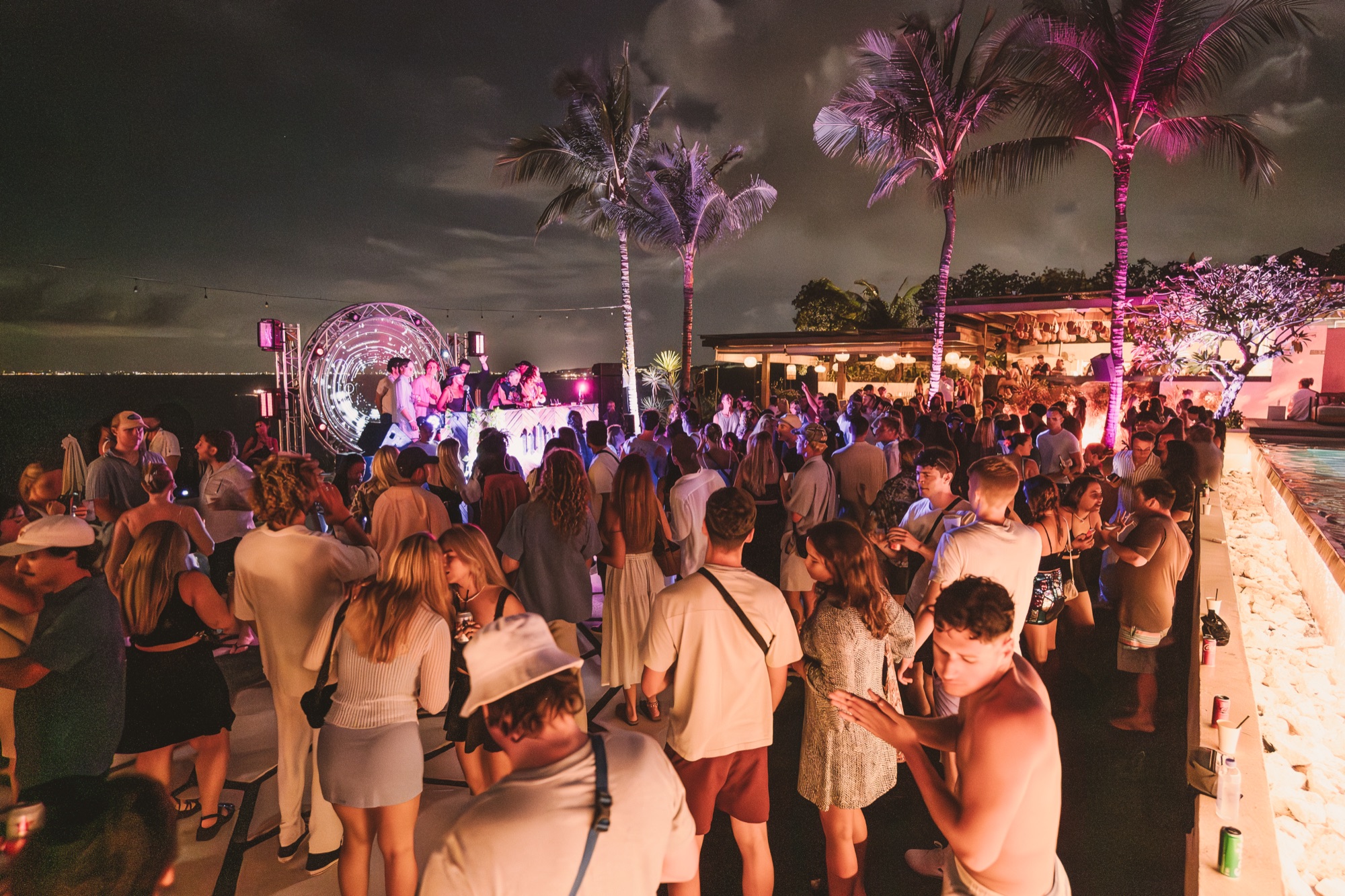
Eight years behind the decks has taught me that. I watch it happen most nights. Someone arrives stiff, arms crossed, phone in hand, still half in their head from the day they just had. An hour later their shoulders have dropped, eyes closed, moving without thinking about how they look. Something in them let go, and the room did it together.
Turns out the science agrees with the dance floor. National Geographic reported on a review of 218 clinical trials, more than 14,000 people, that found dancing reduced symptoms of depression more than walking, yoga, strength training, even standard antidepressants. The lead researcher, Michael Noetel, put it simply. Between the physical activity, the social interaction and the music itself, dance had every reason to win. Read that again. Nearly a third of us will experience depression at some point in our lives, and dancing outperformed the medication most of us would reach for.
It is not complicated why. Dancing lifts dopamine as your brain anticipates the next turn in a melody, floods you with endorphins from the movement itself, and releases oxytocin from moving alongside other people. Three different chemicals, three different reasons, all firing at once. No pill does that.
A neuroscientist at the Max Planck Institute described it as a language of the body. The brain understands a gesture the way it understands a word. That is what I feel every time a room stops thinking and starts moving. Nobody needed the science to know it, but it is nice to have it catch up.
This matters more, not less, as we get older. Somewhere in our thirties and forties, going out dancing starts to feel like something we used to do. Too tired, too busy, too old for that now, we tell ourselves. But the research on aging says the opposite. Regular dancing is linked to better memory, sharper cognitive function, a lower risk of dementia, and a kind of social connection that gets harder to find once the parties in our calendar quiet down.
I see it on every kind of dance floor I play. The full moon crowd in the jungle. The wedding guests in their fifties who have not danced together in years. The corporate gala where somebody's mother ends up in the middle of the floor by the second hour. Different ages, same shift. The body remembers something the mind forgot.
You do not need to be good at it. Nobody on that dance floor is being judged on technique. The medicine is in the moving, not the choreography.
This is part of why sober dance is having a real moment. Gen Z already drinks about 20 percent less than millennials, and sober dance events, DJ sets built around coffee instead of cocktails, have grown by nearly 500 percent in the last year alone. Ecstatic dance sits right inside that shift. Freeform, sober, usually shoeless, with one unofficial rule, move however your body wants to and skip the small talk. You do not need alcohol or a big night out to get back onto a dance floor. You need a room, a speaker, and permission.
So if it has been a while since you went out and moved your body to music with no goal except to feel it, that is the whole invitation. Not for a workout. Not for a photo. Just to remember what your body already knows. Put a song on tonight and let it move you, or find an ecstatic dance near you. Notice what shifts.